


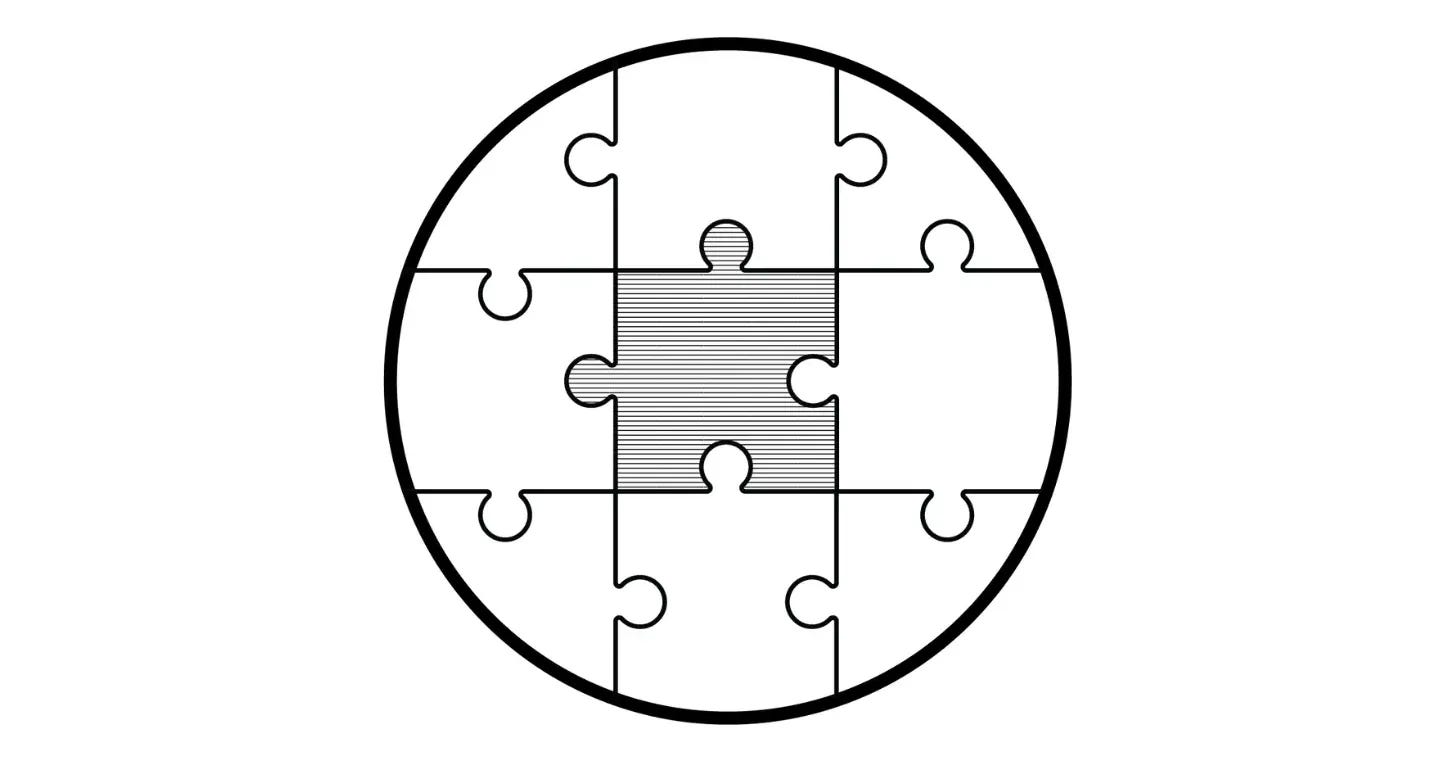
Most people were trained to look for problems first.
Identify the gaps.
Define the pain.
Fix what’s broken.
That mindset made sense when institutions were the primary unit of professional leverage. Corporations and bureaucracies survive by reducing variance and eliminating risk. Stability is their mandate. In that environment, problems are the logical starting point.
So we inherited the old playbook.
Problems became the organizing principle of attention.
But individuals operate under different physics.
When you treat every next move as a problem to solve, you narrow your field of vision. Your attention gravitates toward plugging leaks instead of discovering openings. Toward repair instead of expansion.
You optimize for maintenance instead of momentum.
You protect instead of explore.
You manage instead of reposition.
The issue is not that problems exist. Of course they do. The issue is gravity.
What becomes the center of gravity shapes what you see.
A problem is just one category of opportunity.
Your problem is problems.
That sentence sounds subtle. It isn’t.
When problems are the center, you scan for friction. When opportunities are the center, you scan for leverage. You begin to notice unexpected successes, incongruities, shifts in perception, new combinations — openings that do not present themselves as “problems” at all.
Attention compounds. Whatever you repeatedly look for, you become better at seeing.
If everything looks like a problem, it is not necessarily because the environment deteriorated. It may be because the old playbook trained your perception in that direction.
When the individual becomes the unit of leverage, the starting point must change.
Not from seriousness to naivety.
Not from discipline to denial.
But from repair to recognition.
Pivot your starting point.
Look for opportunities first — not just problems.